
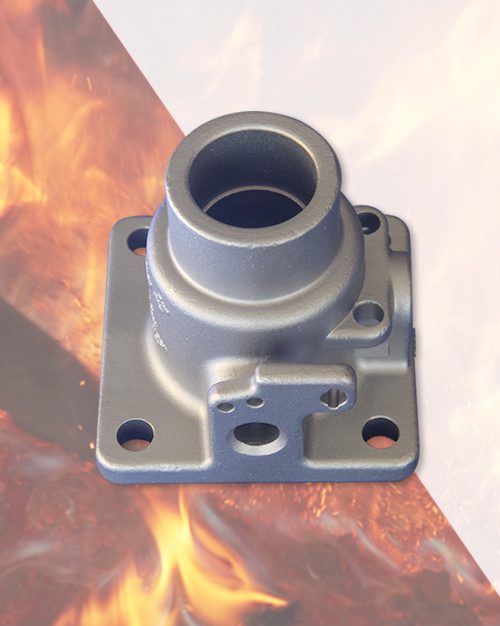
Investment casting, also known as lost-wax casting, is a precision manufacturing process valued for its ability to produce complex, near-net-shape metal components with excellent surface finish and dimensional accuracy. The choice of casting material is critical to meeting the performance, durability, and cost requirements of end-use applications. Among the most widely used materials in investment casting are stainless steel, carbon steel, and low alloy steel. These materials serve as the backbone for components in valves, pumps, automotive systems, and general machinery. This article explores the properties, grades, and typical applications of these three material families in investment casting.
Investment casting provides unmatched design flexibility and material efficiency for producing high-performance metal components. Stainless steel, carbon steel, and low alloy steel each fulfill distinct engineering needs across valves, pumps, automotive systems, and machinery. Selecting the right material involves balancing corrosion requirements, mechanical loads, operating environment, and budget constraints. By leveraging the strengths of each material family, manufacturers can optimize both performance and cost in their investment casting programs.
Metal Casting Materials for Investment Casting
materials We Cast
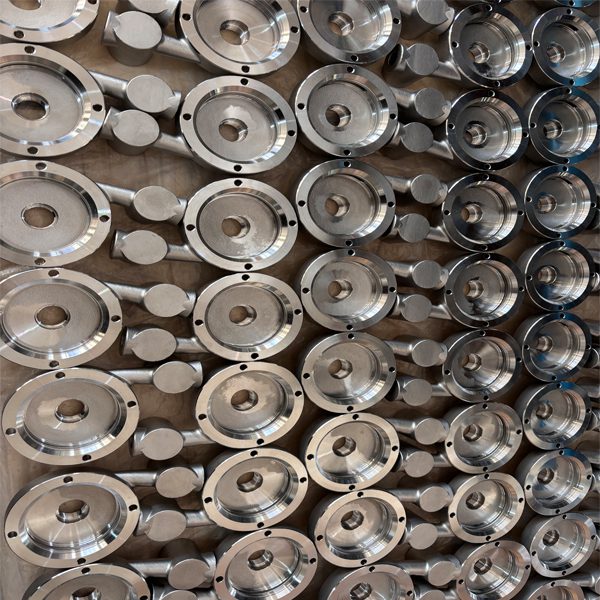
Stainless steel is renowned for its corrosion resistance, mechanical strength, and aesthetic appeal. In investment casting, stainless steels are selected when components must perform in aggressive environments or require high cleanliness and hygiene.
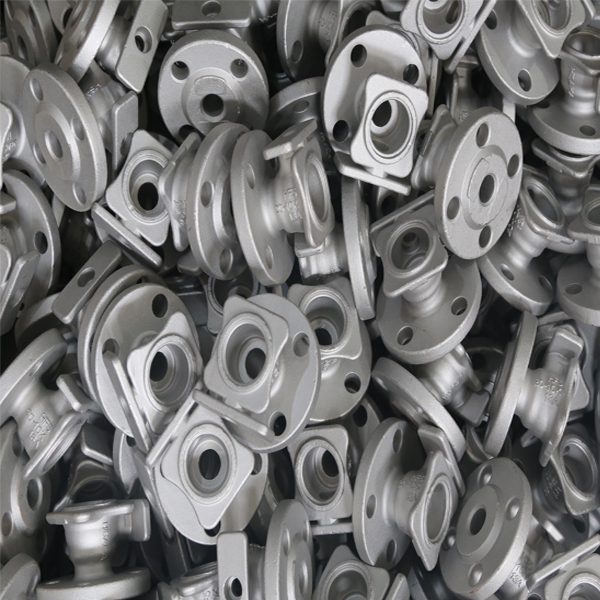
Carbon steel offers an optimal balance of strength, machinability, and cost-effectiveness. It is the most economical choice among the three categories and is suitable for applications where corrosion resistance is not the primary concern.
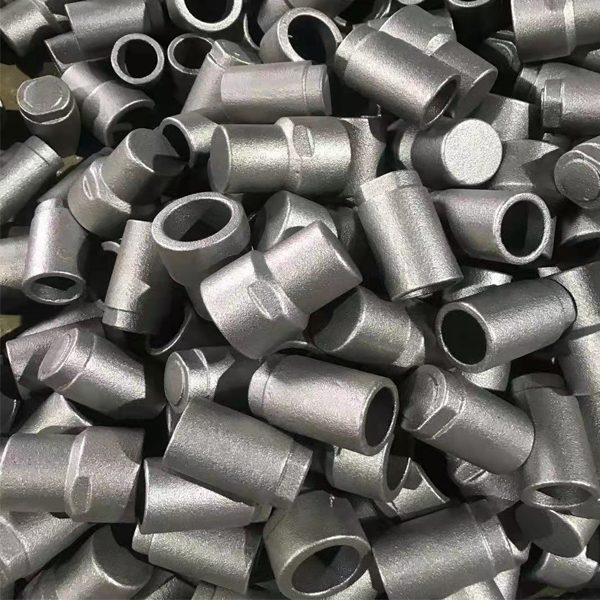
Low alloy steels incorporate small amounts of elements such as chromium, molybdenum, nickel, or vanadium to enhance strength, toughness, and wear resistance. These materials bridge the gap between carbon steel and stainless steel in terms of performance and cost.
Materials by Industry
| Material Category | Common Grades | Products | Industry |
| Stainless Steel | CF8, CF8M, CF3, CF3M | Valve bodies, Valve Bonnet, Valve cover and other valve castings, Pump Housing, Pump Components and related Pump Castings, Chemical Equipment Castings like BOP components, valve components, pump components etc. | Valve Industry, Pump Industry, Oil & Gas Industry |
| Carbon Steel | WCB, WCC, LCB | Valve Castings, Pump Castings, General Industrial Equipment Castings | Valve Industry, Pump Industry, Machinery Manufacturing |
| Alloy Steel | WC6, WC9 | High-temperature Valve Castings, Oil & Gas Equipment Castings | Valve Industry, Oil & Gas Industry |
| Customer-Specified Alloys | Upon Request | Custom OEM Component Castings | Versatile Industry |

How to Select the Right Casting Material?
Choosing the right material is one of the most critical decisions in the product development and manufacturing process—especially when using the investment casting (precision casting / lost-wax casting) process. The material you select directly impacts performance, durability, corrosion resistance, machinability, and total cost. Below is a structure approached to selecting the right metal casting material based on application requirements, operating environment, and commercial considerations.
1. Understand Your Application Requirements
- Will the part be exposed to moisture, chemicals, or saltwater?
- What are the expected mechanical loads (tensile, impact, fatigue)?
- Does the component operate at high or low temperatures?
- Are there regulatory or hygiene requirements (e.g., food, pharmaceutical)?
- Is dimensional stability or wear resistance critical?
2. Material Family Overview for Investment Casting
| Material Family | Corrosion Resistance | Strength & Toughness | Cost | Best Suited For |
| Stainless Steel | Excellent | Moderate to High | High | Corrosive environments, hygienic applications |
| Carbon Steel | Limited | Moderate | Low | General-purpose, non-corrosive applications |
| Low Alloy Steel | Moderate | High | Medium | High-stress, fatigue-prone, or wear-critical parts |
3. Decision Framework: A Step-by-Step Approach
Step | Consideration | Material Recommendation |
|---|---|---|
1 | Corrosive environment? | Stainless steel |
2 | High mechanical load or fatigue? | Low alloy steel |
3 | Budget-sensitive, non-corrosive service? | Carbon steel |
4 | Hygiene or clean-in-place required? | Stainless steel (304/316) |
5 | Low-temperature service (< –20°C)? | Low alloy steel or LCC carbon steel |